Snippets / Sculptures
Spatial Piece Tomeishi: the Stopping Stones
空間什器「止め石」
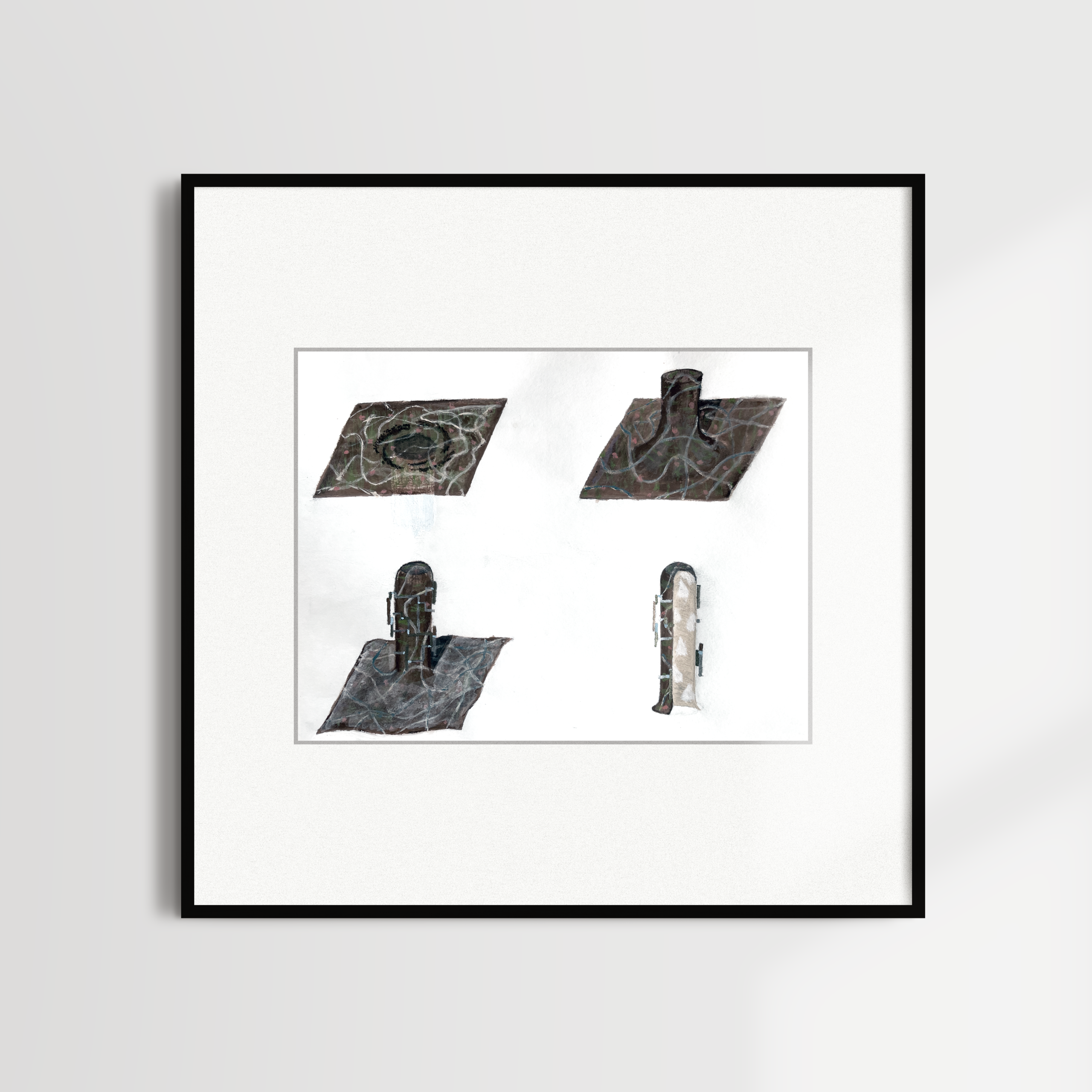
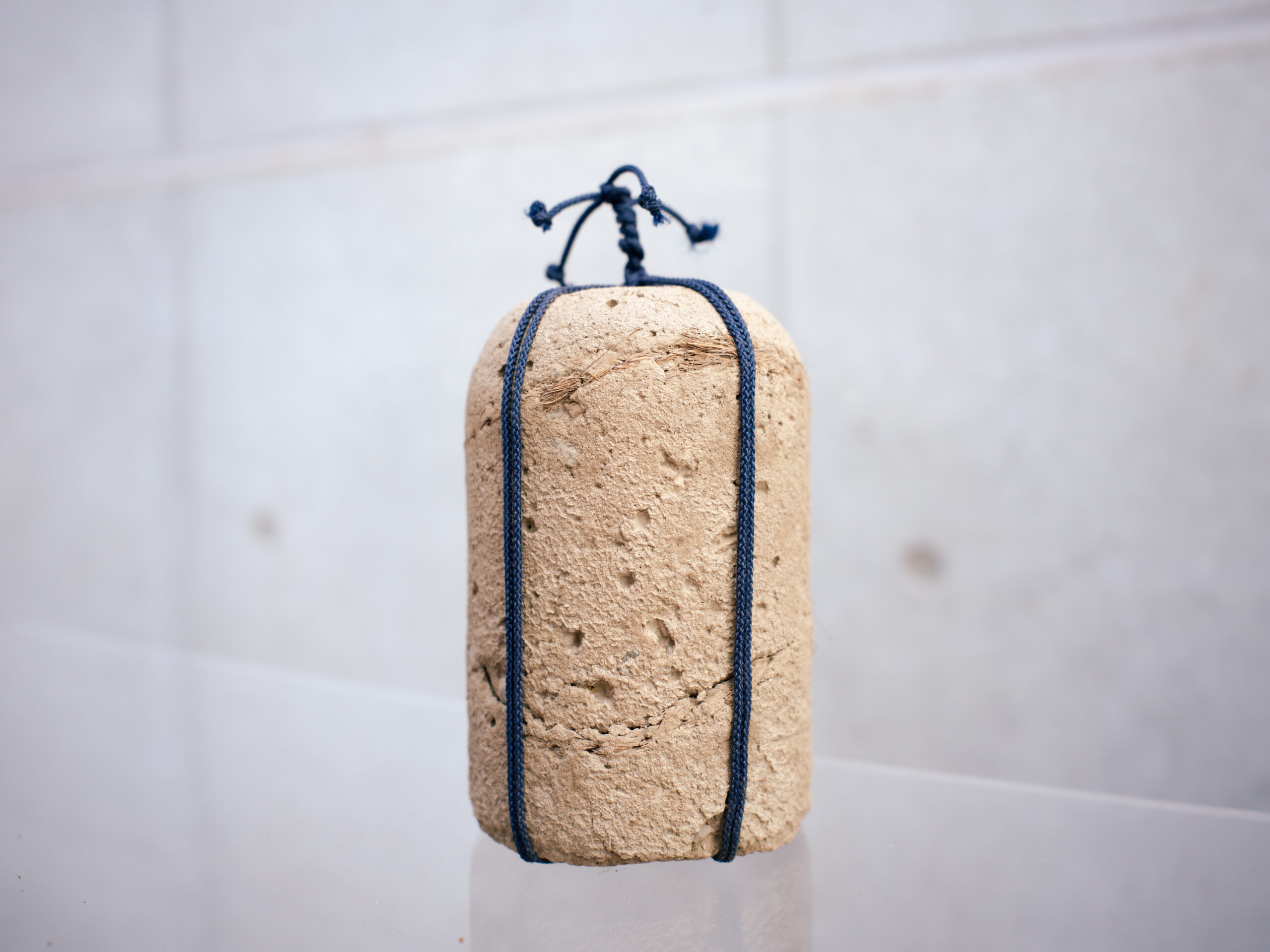
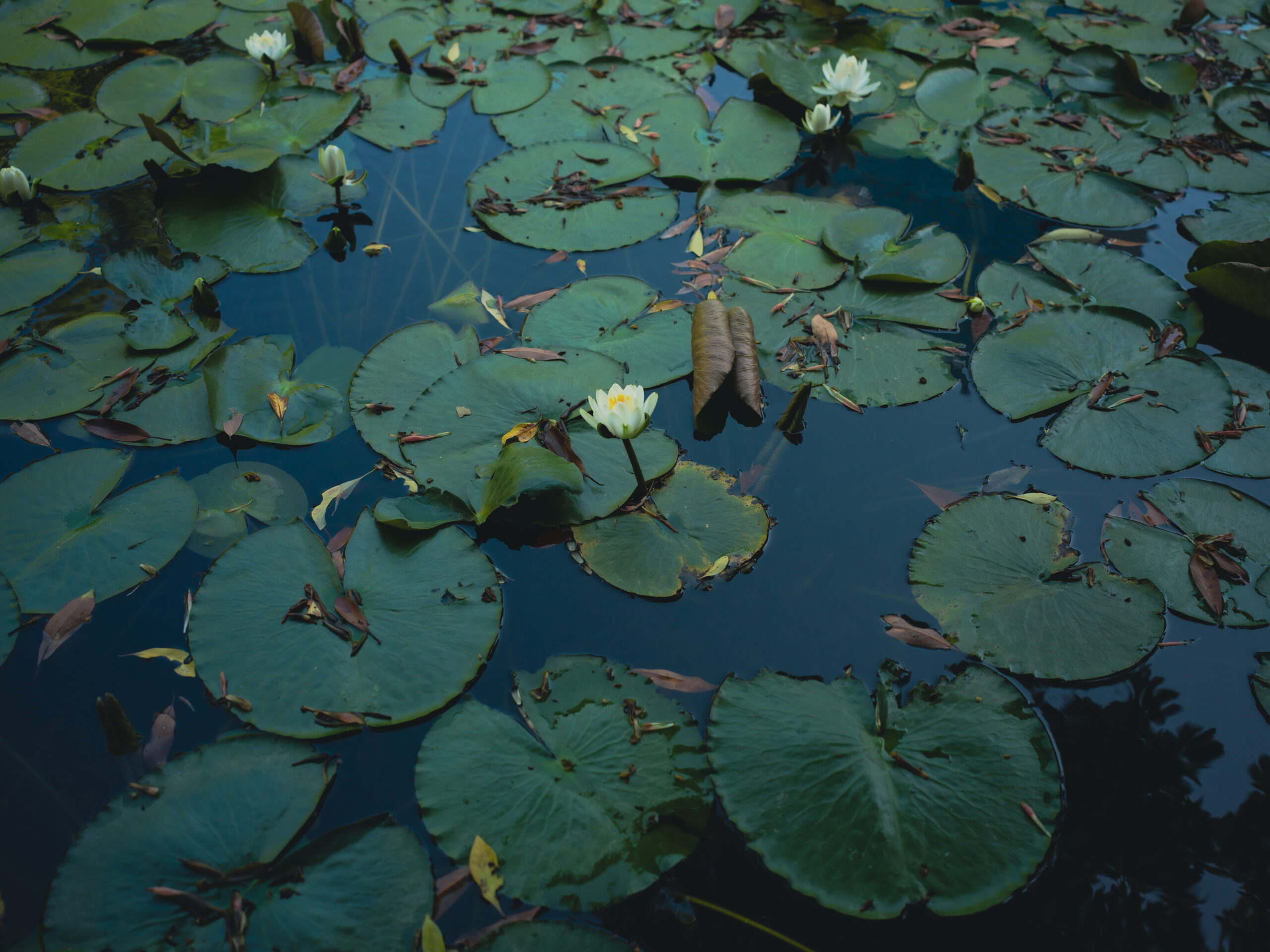
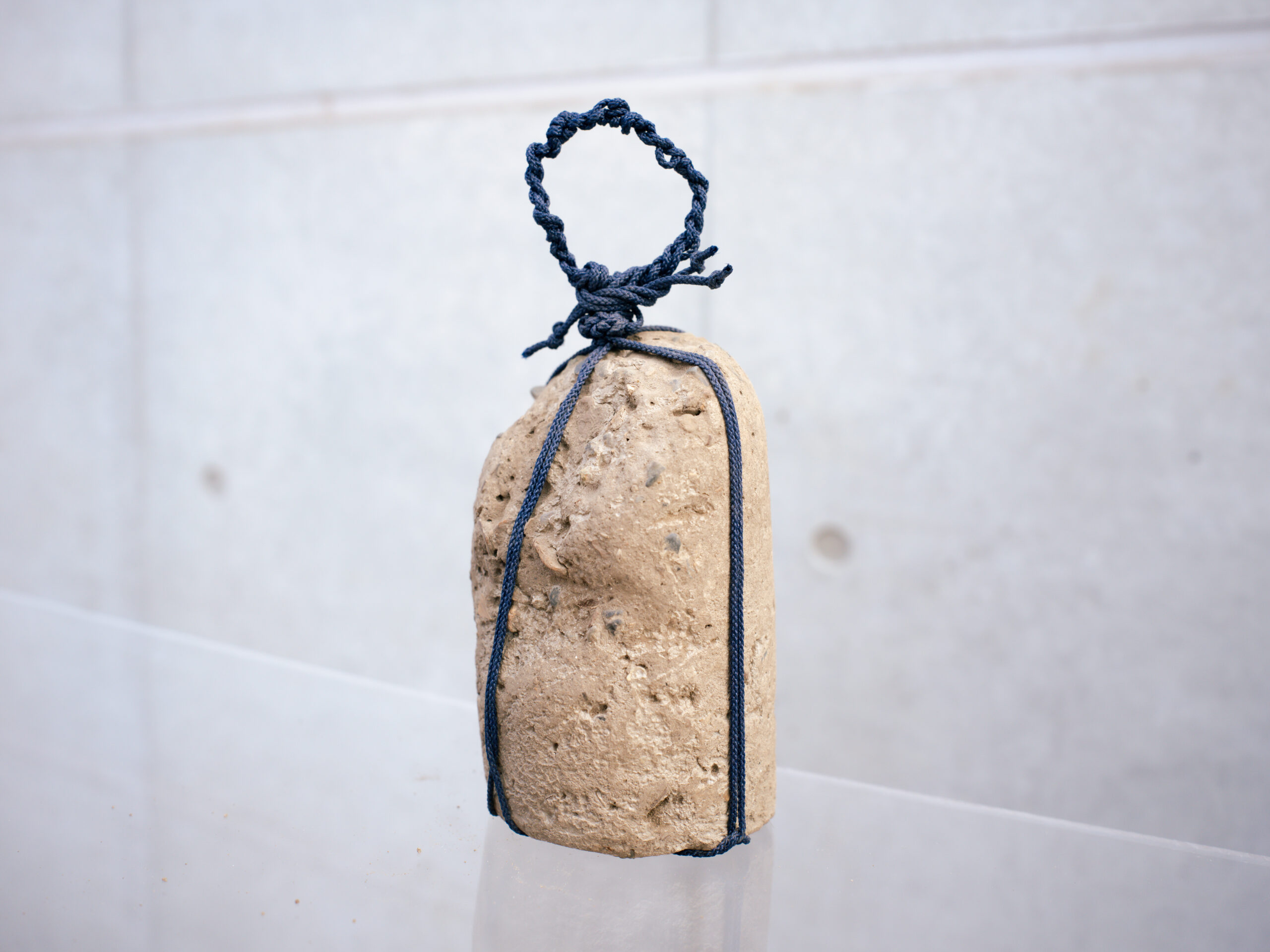
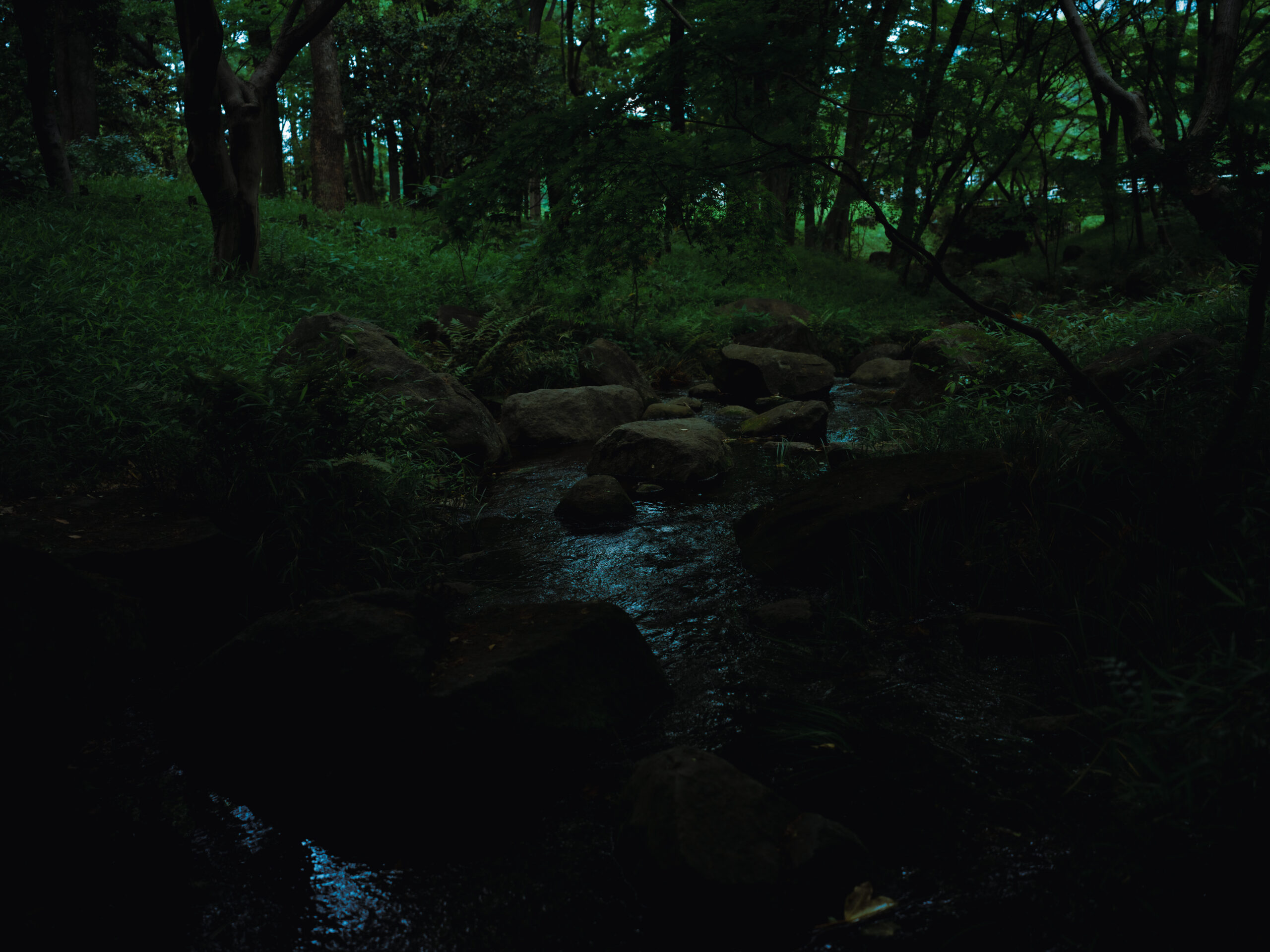
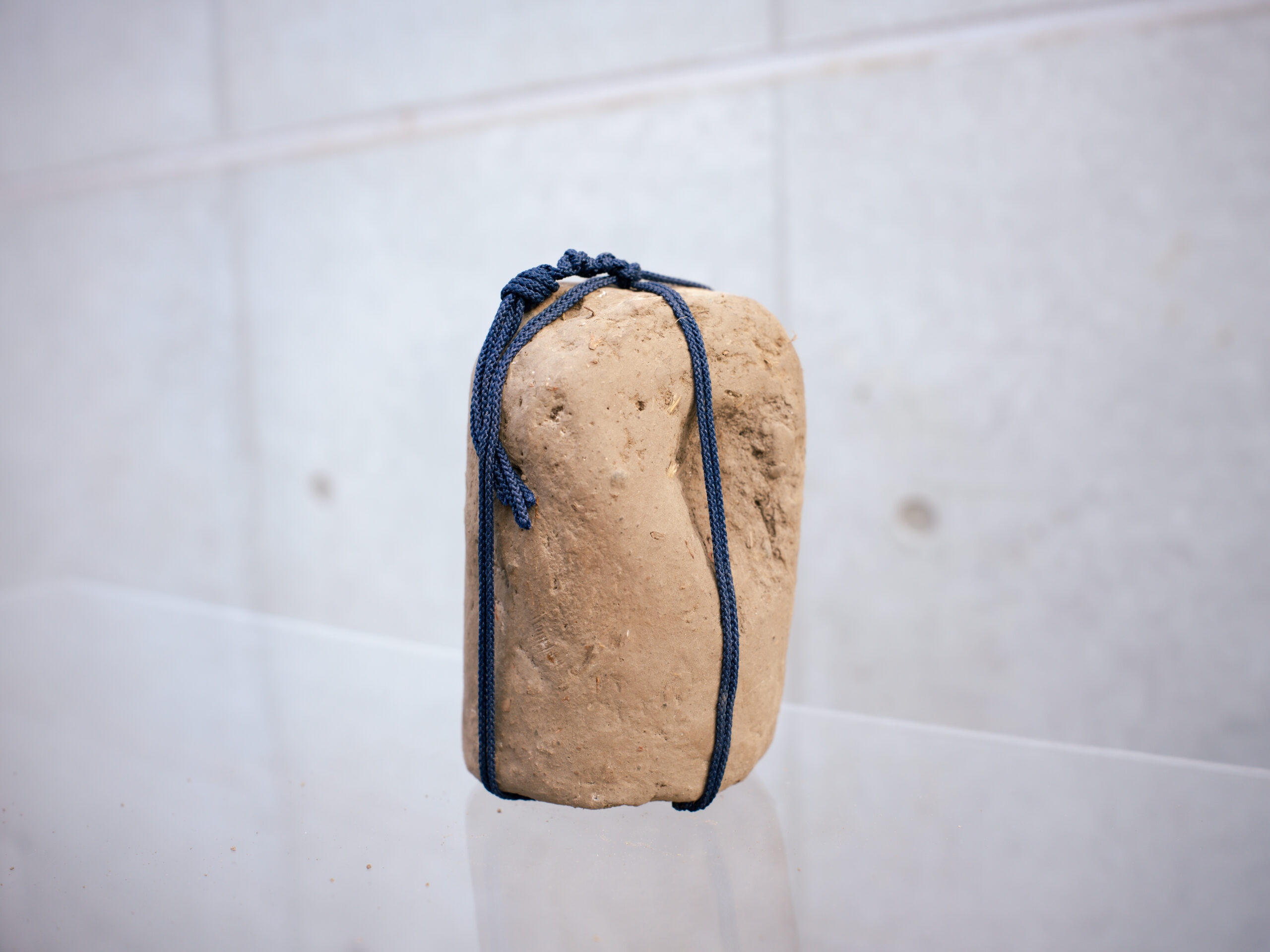
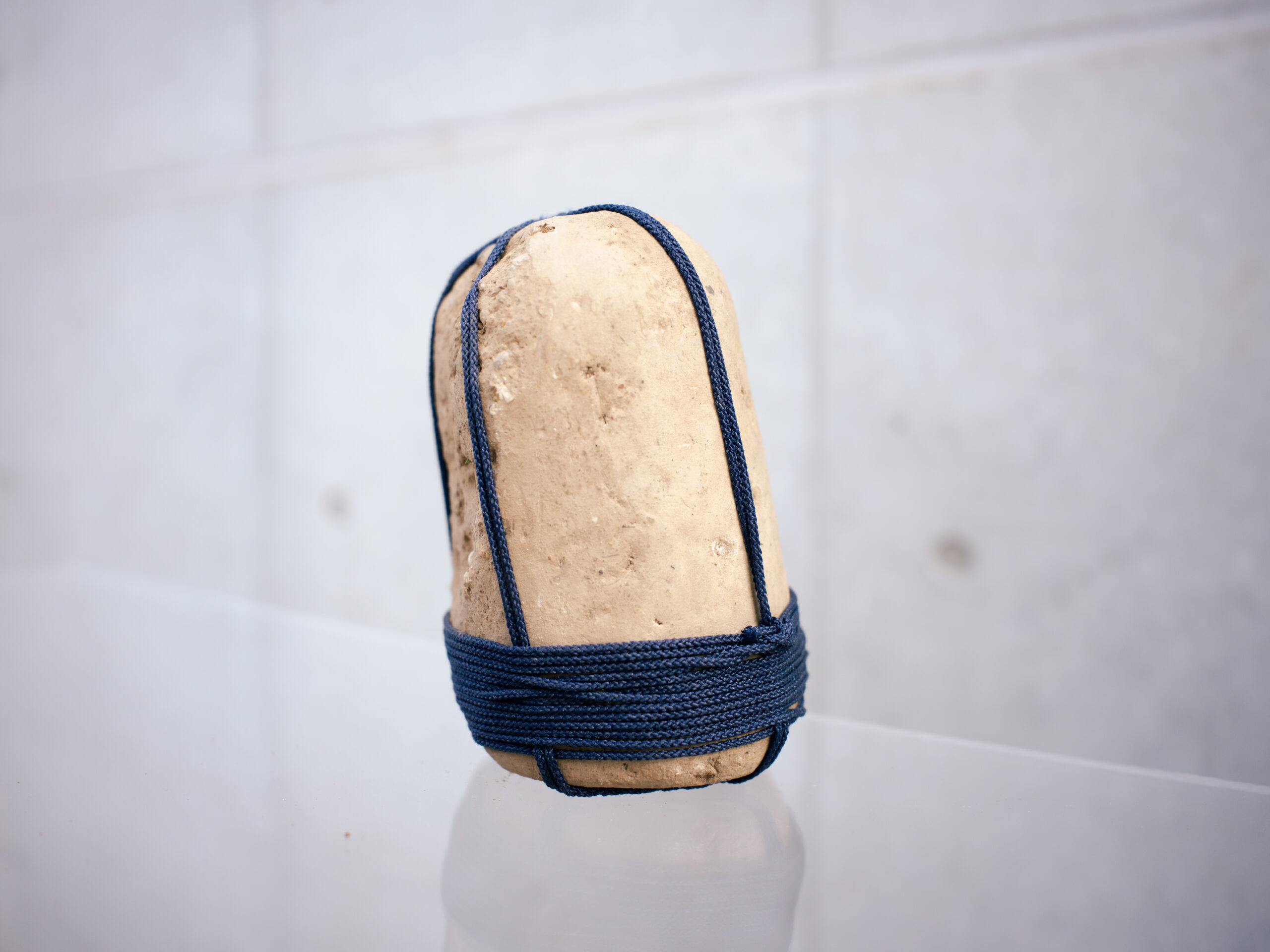
This is an experimental project to understand how much the form of human creations is determined by the natural environment of their location, and it crystallises the local character of each region. By creating sculptures from materials taken from four gardens, we attempted to read the materials of the original landscapes that form the central line of Tokyo.
- Date
- June 2024
- Location
- Tokyo, Japan
- Size
- 150 × 90 × 90 mm
- Materials
- Soil, gravel, stone, bark, hay, lime, braided cord
- Directors
- Arata Suzuki, Asuka Hoshi, Chisako Suzuki
- Craftsman
- Asuka Hoshi
Where is the centre of Tokyo? Many people have debated this question; for the people of Edo, the centre of Tokyo was Mt Fuji. The proximity of the heart of Edo and Mt Fuji at that time is evident in Katsushika Hokusai's ukiyo-e prints. In modern times, Roland Barthes argued that the centre of Tokyo is a void. Today, many people consider Marunouchi, the economic centre; Shinjuku, the commercial centre; and Shibuya, the cultural centre, to be the centre of Tokyo.
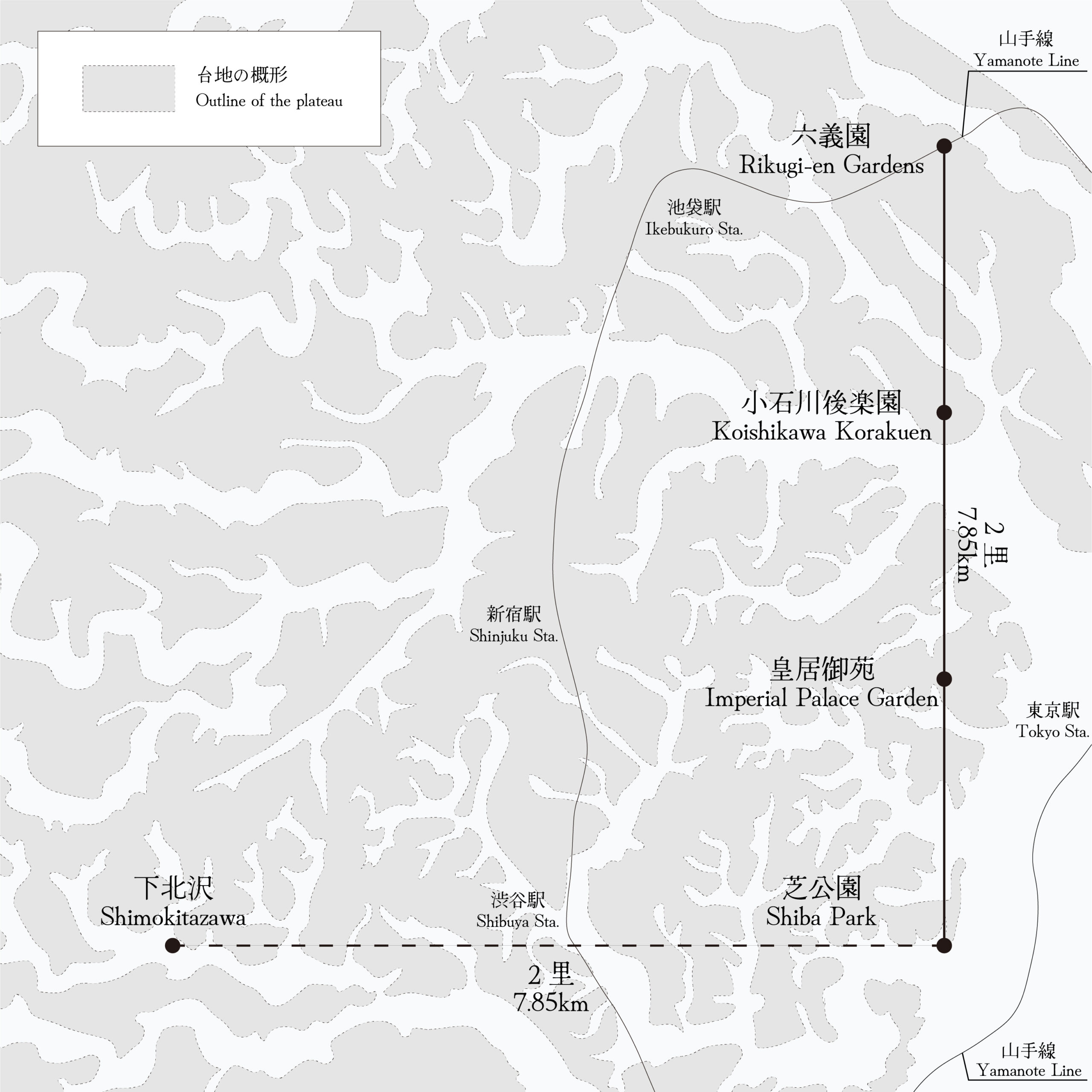
However, a different centrality emerges if we look again at Tokyo's Ubsna (the Japanese word for land guardian deity) without these superficial aspects. First, I looked at a map of Tokyo with overlapping plateau lines to get a topography of the city. Then, on the coastal plateau, four representative Tokyo gardens - Rikugien Gardens, Koishikawa Korakuen, the Imperial Palace Garden and Shiba Park - lie in a straight line, almost equally spaced. Each of these gardens has its proper place for tea ceremonies. The original centre of Tokyo is this north-south central line rather than any particular point.
The characterisation of the land by latitude far surpasses that of artificial urban planning.
1 Mooksa
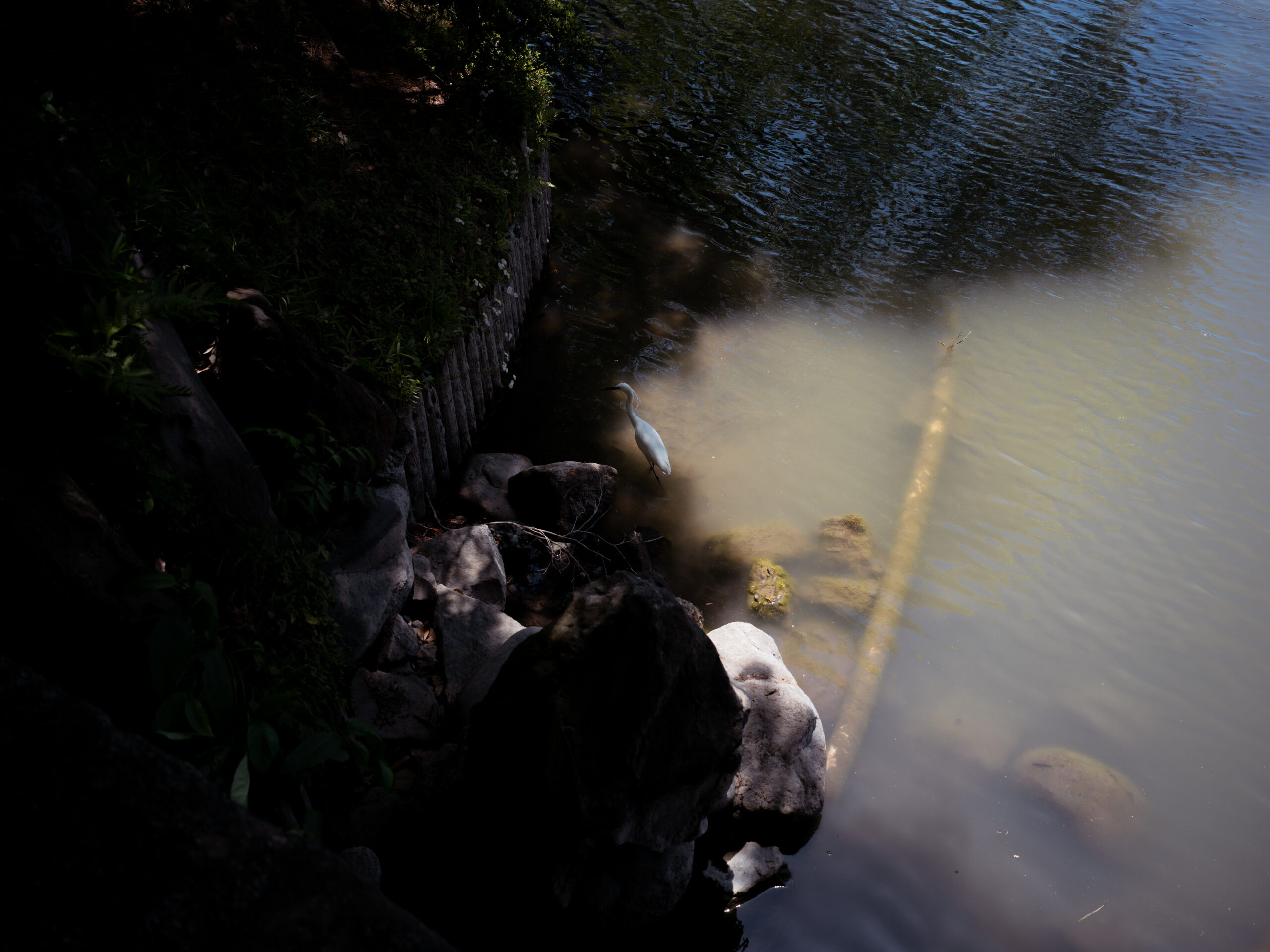
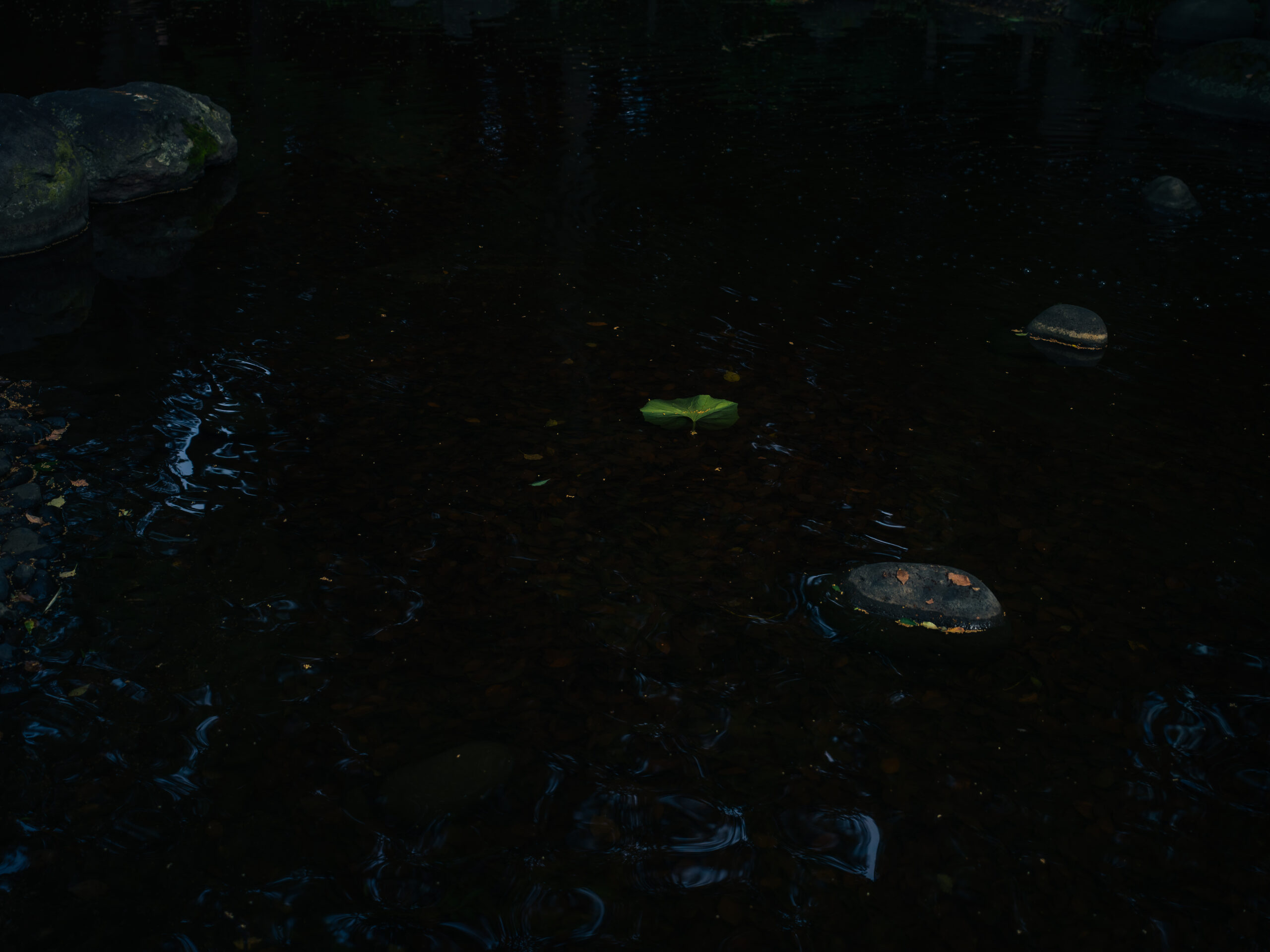
We created this piece using materials found in Rikugien Gardens. The soil in Rikugien is dark and wet. This soil gives rise to dense trees and the surrounding ecosystems, making human life wild. In fact, during the Edo period, this area was sometimes used as a hawking ground. Therefore, the area around Rikugien today is a calm, green residential area that has yet to succumb to commercial development inside the Yamanote Line.
This stopping stone radiates such Tokyo wildness. We named this work Mooksa, as people used to call this garden like it.
2 Coluck
We created this piece using materials found in Koishikawa Korakuen Garden. The soil of Korakuen is dark brown and silky. The Kanda River, which flows nearby, also feeds it, and the terrain is undulating. This land creates hills and swamps that form a lake ecosystem and make people's lives playful. This is probably why the area around today's Korakuen Park is home to a series of leisure facilities, including a baseball stadium, thermal baths and an amusement park.
You can genuinely sense Tokyo's vibrant entertainment aspect from this stopping stone. It's a tribute to our esteemed predecessors, who bestowed this place with the significant name Koraku (the Japanese word for social luck).
3 Chiyoda
We created this piece using materials from the outer gardens of the Imperial Palace. This area used to be a marshy area suitable for paddy fields, so the soil of the Imperial Palace is light brown and elastic. The place's name, Chiyoda, also means a rich rice field that will be fruitful for a thousand generations. The emperor, who prayed to the god of agriculture, must not have settled here only to control the site of Edo Castle.
This stopping stone exudes the fertility of Tokyo. Beneath the surrounding administrative institutions, which symbolise democracy, there is a highly agrarian social soil.
4 Shiba
We created this piece using materials found in Shiba Park. Ancient peoples established mound tombs on the turf. The unparalleled size of the site, which is unique in the city, shows how different it is. In the mediaeval period, they built a shrine. In the early modern period, the shogunate protected the temples and cemeteries, strengthening the area's character as a place of worship. The Tokyo Tower, built in modern times, also serves as a memorial to the war dead, given that its steel frame is made of tank iron.
The soil taken from the Shibamaruyama burial mound was a sombre grey-brown, a stark contrast to the vibrant greens of other gardens. The simplified vegetation, a reflection of the energy of death in this area, adds a unique atmosphere to Shiba Park. This stop stone symbolises the Tokyo view of life and death.
これは、 人間の創作物の形状がその場所の自然環境によってどれほど規定されるのかを理解するための実験的なプロジェクトであり、 各地の土地性を結晶化させたような作品です。 4つの東京の庭園から採取される素材を用いた彫刻を制作することで、 東京の中心線を形成する原風景の素材を読み取ろうと試みました。
東京の中心はどこなのか。 この問いについて多くの人が議論を交わしてきました。 江戸の人々にとっての東京の中心は富士山だったそうです。 葛飾北斎の浮世絵を見れば、 当時の江戸と富士山の心の近さは一目瞭然でしょう。
近代に入ると、 ロラン・ バルトが 「東京の中心は空虚である」 と論じました。 現在では、 経済の街である丸の内、 商業の街である新宿、 文化の街である渋谷を東京の中心とする声が多いようです。
しかし、こうした上面に囚われず、改めて東京の産土(うぶすな:土地の守り神の意) を捉え直してみると、 別の中心性が浮かび上がってきます。 まず、 東京を地形で捉えるために、 台地の線が重なった東京の地図を眺めてみました。すると、 沿岸部の台地には、 六義園、 小石川後楽園、 皇居、 芝公園、 といった東京を代表する4つの庭園がほぼ等間隔で一直線に並んでいます。 それぞれの園内には茶道の場があります。 本来の東京の中心は、 どこか特定の一点ではなく、 この南北に通る中心線のように思えます。
緯度がもたらす土地の特徴づけは、 人間が作った都市計画のそれをも遥かに凌駕します。
【 止め石1:ムクサ 】
この作品は六義園にある素材を用いて作られたものです。 六義園の土は黒々としており湿り気を帯びています。 このような土壌には、 鬱蒼とした樹木とそれを取り巻く生態系が生まれ、 人間の生活も野生味のあるものとなります。 実際、 江戸時代にこの辺りは鷹狩りの場として利用されることもありました。 そのため、 現在の六義園の周りは、 山手線の内側でありながらも商業的な開発に屈しない、 落ち着いた緑のある住宅街が広がっています。
この止め石は、 そのような東京の野生味を放っています。 その昔この庭を 「むくさのその」 と呼んでいたことから、 この土地の産土をムクサと命名しました。
【 止め石2:コウラク 】
この作品は小石川後楽園にある素材を用いて作られたものです。 後楽園の土は焦茶色でサラサラしています。 また、 近くを流れる神田川を水源とし、 地形は起伏に富んでいます。 このような土地には、 湖沼生態系を形成する丘と沼ができ、 人々の生活には遊びが生まれます。 現在の後楽園周辺に、 野球場、 温浴施設、 遊園地などのレジャー施設が連なるのはそのためでしょう。
この止め石からは、 東京の娯楽性を感じることでしょう。 そのような場所に「後楽」 と名付けた先人たちに敬意を表します。
【 止め石3:チヨダ 】
この作品は、 皇居外苑にある素材を用いて作られたものです。 この辺りは昔、 湿地帯で水田に適した土地でした。 ですので、 皇居の土は薄茶色で弾力感があります。 千代田という地名も、 千代に渡り実りをもたらす豊かな田という意味です。 農業神に祈る天皇がこの土地に居を構えたのは、 江戸城の跡地を統べるためだけでは無かったのでしょう。
この止め石は、 東京の豊穣さを醸し出しています。 民主主義を象徴する周囲の行政機関の下には極めて農耕社会的な土壌があるのです。
【 止め石4:シバ 】
この作品は芝公園にある素材を用いて作られたものです。 古代の人々は芝の地に墳丘墓を設けました。 都内で他に類をみないその大きさからも、 この土地の異質さが分かります。 中世に入ると神社が創建され、 近世になると幕府が寺と墓地を保護し、 信仰の地としての性格が強まりました。 近代に建てられた東京タワーも、 鉄骨に戦車の鉄が使われていることを鑑みると、 戦没者慰霊碑としての側面があると言えます。
芝丸山古墳から採取した土は、 灰茶色でカラカラとしていました。 他の庭に比べて単純化された植生からも、 この地の死のエネルギーが感じられます。 この止め石は、 そんな東京の死生観を想起させます。
Snippets / Sculptures
Spatial Piece Tomeishi: the Stopping Stones
空間什器「止め石」